
Select your language

Inventions
We believe that world-class achievements are possible right here in Hungary without leaving the country. It is well known how famous Hungarian inventors are. Just think of the Rubik's Cube — Rubik had the cube designed here, but its commercial realization happened in the USA. Or consider the many Hungarian Nobel Laureates... of whom only one actually lived primarily in Hungary, while the rest merely had a Hungarian origin at some point in their lives. Let's keep these great minds in Hungary by making their dreams come true!
Humatico
- Bio-fertilizer
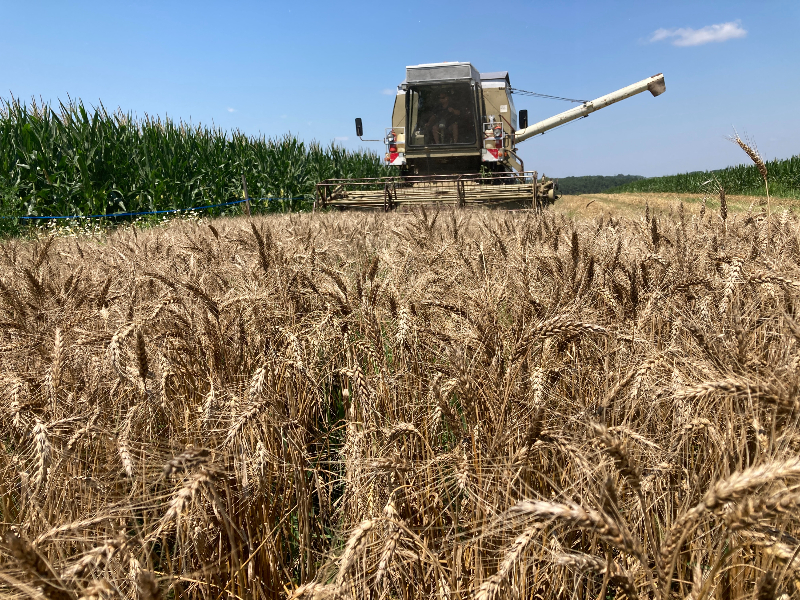
Beyond the negative effects of synthetic fertilizers, a major problem can be solved by processing locally generated natural waste materials (plant‑based or animal manure) directly at the site where they are produced, turning them into a fertilizer substitute that does not reduce — or even improves — crop yields, while also enhancing crop quality.
Mowing farming waste and byproducts, otherwise unusable animal manure, and other green waste are mixed with supplementary materials appropriate for the site inside the mobile Humatico Bioreactor, right at the location where the waste is generated. After 3–4 hours, the bio‑fertilizer is ready, allowing us to reduce the amount of synthetic fertilizer needed for the targeted yield by up to 70%. Greener, healthier, better, and locally available.
FluidKAT DPF catalytic converter
- A Revolutionary Breakthrough in Diesel Exhaust Filters
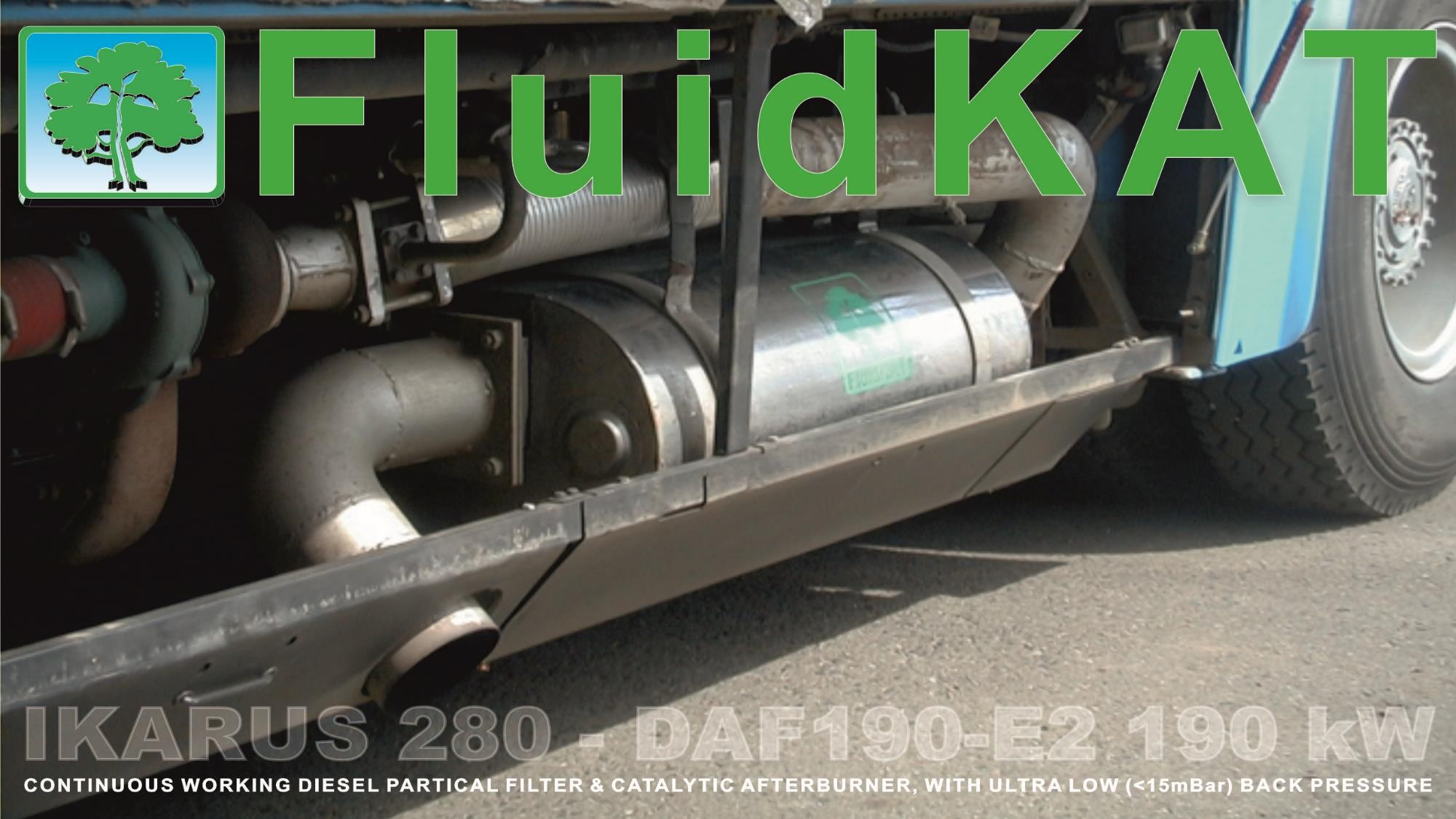
Discover the FluidKAT Diesel Particulate Filter Catalytic Converter!
Until now, modern diesel engine emission control came with heavy compromises: the high backpressure of complex systems increased fuel consumption, while frequent failures posed serious operational risks. The globally unique, Hungarian-developed FluidKAT technology redefines emission reduction from the ground up. Thanks to its ultra-low exhaust resistance, this system relieves engine strain while delivering significant fuel savings of up to 6–25%. Tested on buses, cars, trains, trucks and industrial diesel engines.
WLC
- Waste Light Concrete
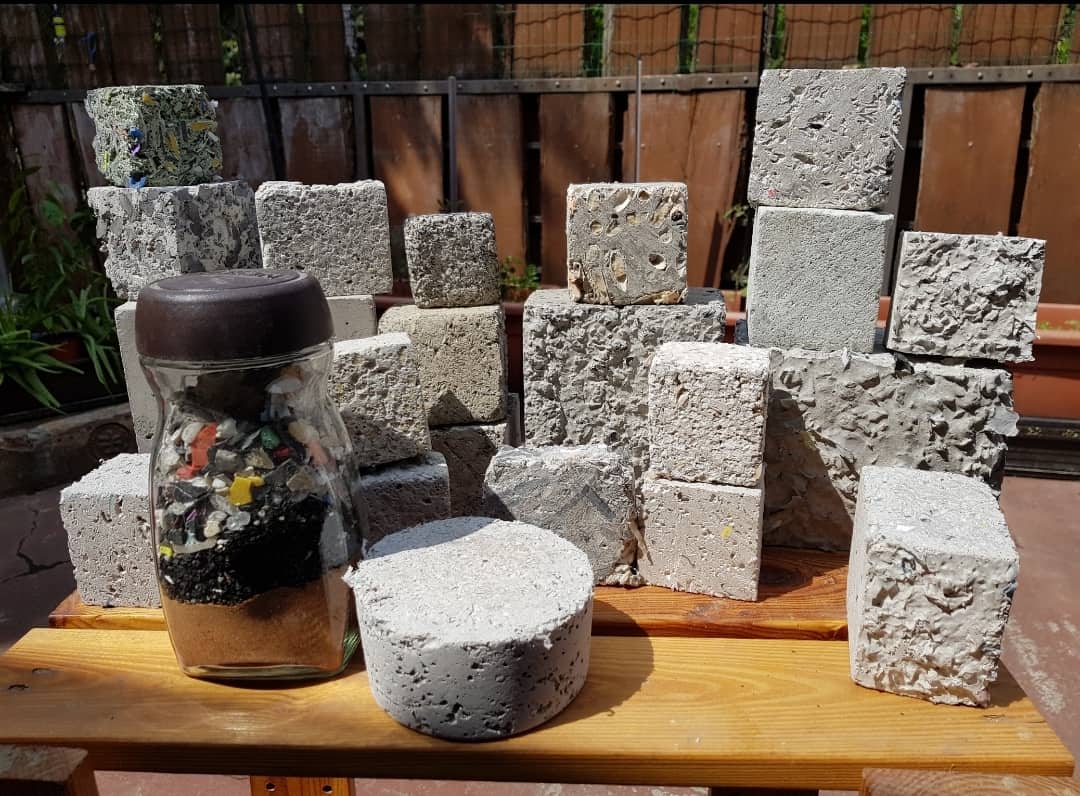
WLC (Waste Light Concrete) is a Hungarian patent. It makes it possible to mix any type of shredded solid waste into concrete, replacing natural raw materials—even up to 100%. The result is a heat‑resistant, frost‑resistant, flexible, earthquake‑resistant, completely fireproof material. Its properties depend on the type of waste used. The material is 100% reusable.
It is suitable for the base layers of highways, parking lots, and bicycle paths (under the top layer, e.g., asphalt), for constructing pavement foundations, for forming thermal‑insulation coatings, and it can also be used as a building material when cast into large block forms. Only 5 kg of additive is needed for 1 m³ of finished light concrete, and the usual 30‑day curing time applies.
PipeRay
- Industrial x-ray
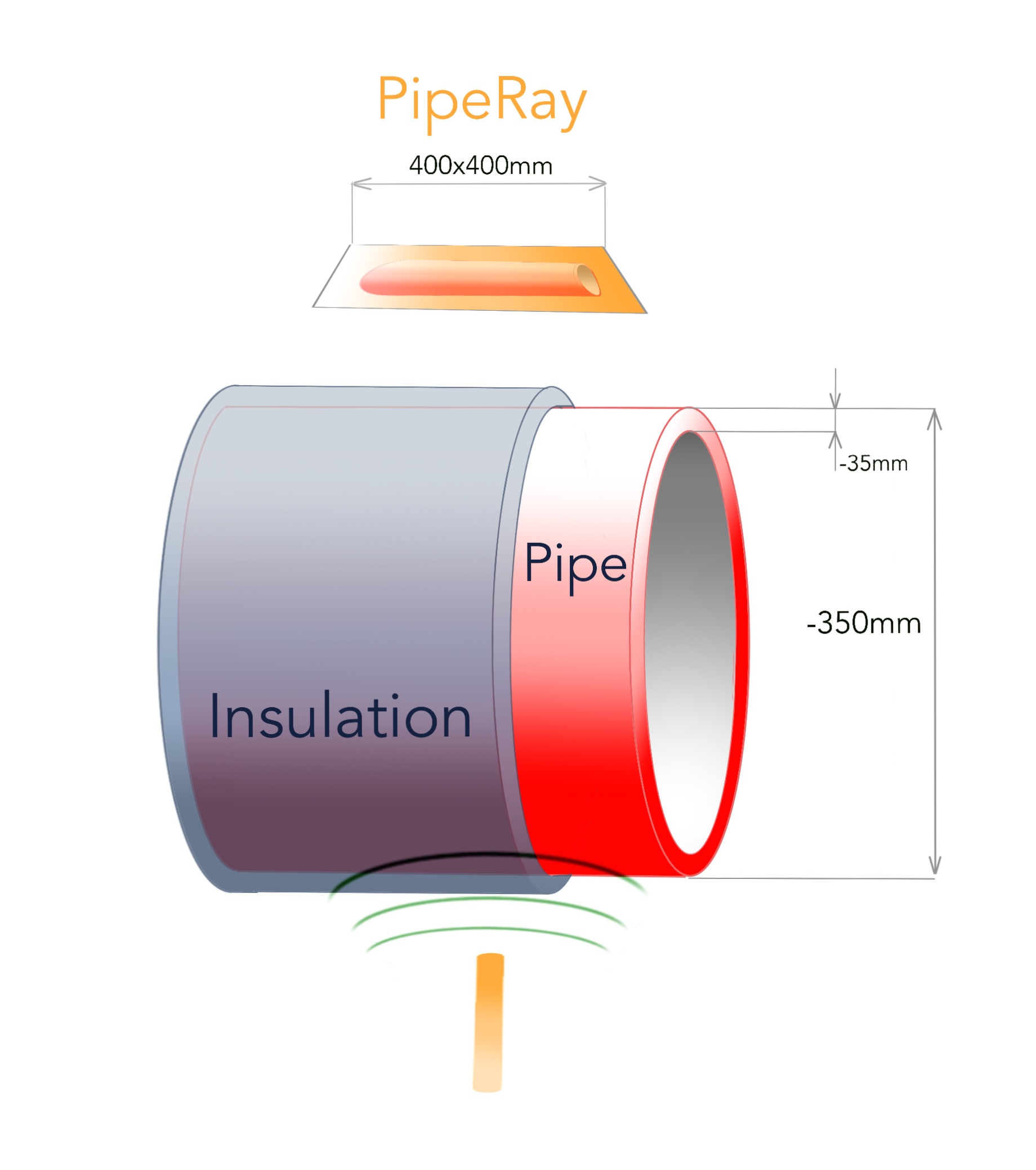
In industrial environments, measuring the condition of various pipes is a significant expense and a recurring problem — especially thicker pipes operating under high pressure or high temperature, which typically also require insulation. During mandatory inspections, depressurizing the system requires shutdowns, resulting in production losses. The PipeRay procedure addresses these issues.
With this patented measurement technology, the internal wall thickness and erosion of pipes can be measured without dismantling the pipes or their insulation. The measurements are performed using a remotely controlled robotic arm, which not only increases the safety of maintenance personnel and speeds up execution, but also allows the robot to memorize the inspection route so it can be repeated automatically later.
KT4 - green kerosene

- Green Kerosene
A patented production technology whose product is synthetic kerosene produced from air + water + solar energy. In other words, green kerosene - as there are no fossil energy sources on the input side.
Once the pilot plant has been built, the technology can be scaled up to industrial capacity. The objective is to have a dedicated unit at every airport, capable of extracting CO₂ from the air and converting it into aviation fuel. This would enable us not only to meet, but eventually to significantly exceed, the current EU requirements.
The synthesis of kerosene has decades of industrial track record, but the key question is who will be the first to produce it economically and at large scale. This is precisely what the KT4 project is designed to achieve.
Among the Hungarian inventors, one is a world-renowned nuclear physicist and researcher, while the other leads a market-leading industrial facility design and engineering company. This means that we are not only capable of envisioning the solution—we also have the expertise and industrial capability to turn it into reality.
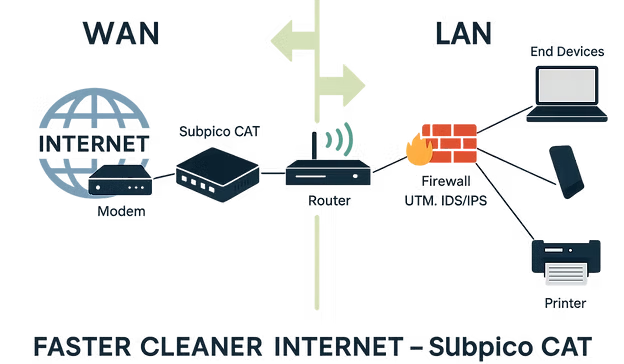
Subpico CAT and Interlace (WAN-side)
Innovation and advanced research — Time-Fabric, frame-coherence and RF physics
A substantial share of Subpico's (imported from Australia) is a unique network security and defense system with capabilities for military/ intelligence/ law enforcement/ critical infrastructure/ etc. The time and resources of the company goes into advanced physics and engineering research in communications. It is the source of the product, not a sideline. We treat the network not as a closed, deterministic IT system but as an open physical system, and we study — and implement — the external forces that act on it. The programme is published at capability level on the Interlace® research portal and is the core innovation we bring to the EU.
Instant advantages:
• it protects your network way before any of your other devices (L2, real-time),
• excludes attacks in real-time not based on some logs a day later,
• lower total energy consumption (frames discarded will not overload your network devices),
• longer lifetime and better ROI of your devices,
• ZERO LAN intrusion,
• sub-1sec rule enforcements without restart.
Read this: Product brochure pdf